Floating offshore wind platforms are reshaping the future of renewable energy. Installed in deeper waters where winds are stronger and more consistent, they unlock vast new generation capacity.
Yet while turbine technology continues to advance, one critical area demands equal attention: safe and reliable access systems.
Designing access and egress for floating structures presents a very different engineering challenge compared to fixed-bottom installations. Movement, dynamic loading, and long-term fatigue all place greater demands on gate and hatch hardware. For engineers and project managers, selecting the right components is not a detail. It is fundamental to safety, compliance, and long-term performance.
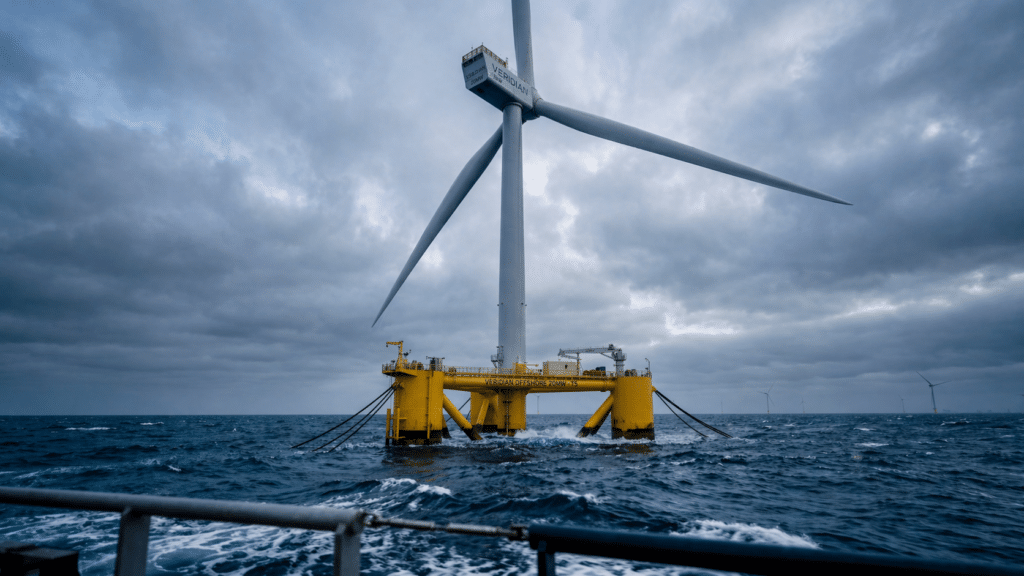
Designing Access and Egress for Offshore Wind Turbine Floating Platforms
The Hidden Challenge of Floating Platforms
Unlike fixed-bottom foundations, floating wind platforms are in constant motion. Even with advanced mooring systems and stabilisation, they respond continuously to:
- Wave action
- Wind loading
- Tidal forces
- Turbine operational loads
This movement concentrates stress at structural junctions, particularly around access points such as deck perimeters, ladder transitions, transfer zones, and hatch openings.
Access hardware on floating platforms must accommodate:
- Continuous micro-movements
- Cyclical loading
- Structural flexing
- Shock loading during harsher sea states
Without the correct specification, these forces can accelerate wear, compromise closing mechanisms, and create safety risks at critical deck edges.
Position gates and hatches not simply as barriers, but as engineered safety systems that:
- Prevent falls at open deck edges
- Secure transfer zones during crew change operations
- Provide controlled emergency egress
- Maintain perimeter integrity during motion events
On floating platforms, access hardware is a frontline safety component.
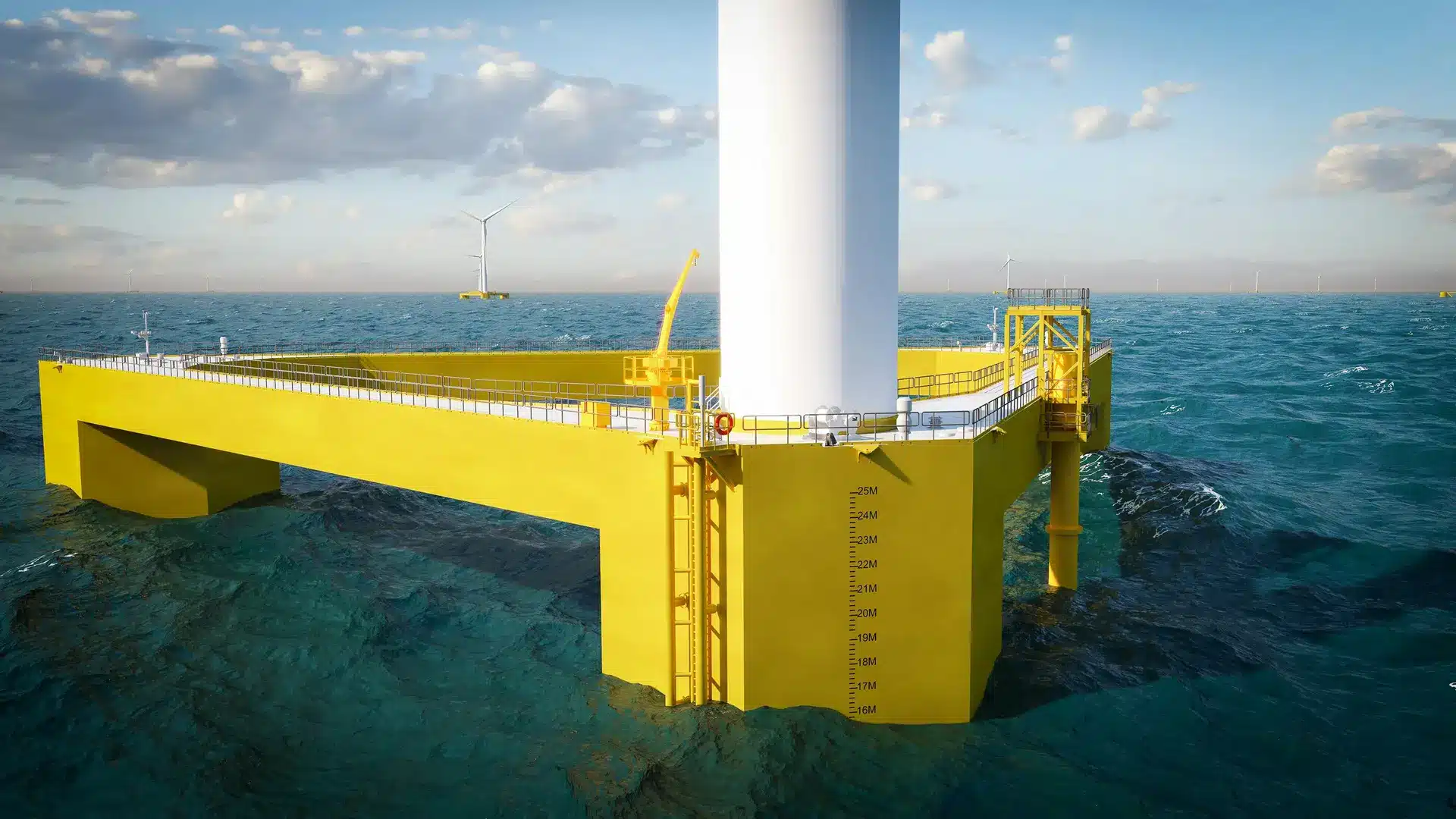
Why Heavy-Duty Hinges and Self-Closing Gates Are Essential
Floating structures demand hardware that performs reliably under dynamic conditions.
Heavy-duty hinges are critical for managing increased loads caused by platform movement. High-strength stainless steel, precision tolerances, and engineered load ratings ensure consistent operation even when subjected to torsional stress and vibration.
Self-closing gate with secure latching become even more important offshore. Movement can cause gates to swing unexpectedly. A purpose-engineered spring torsion system ensures that gates return to a safe, closed position automatically, maintaining perimeter protection at all times.
Anti-slam mechanisms are equally vital. Sudden platform shifts or gusting winds can cause uncontrolled gate movement, leading to impact damage, hardware fatigue, or injury. Dampened closing systems reduce shock loading, protect the gate structure, and extend service life.
Together, these components form a resilient access solution that is engineered to defy the elements and built to last in harsh marine environments.
How Floating Offshore Wind Platforms Change the Requirements for Access Hardware
Fixed-Bottom vs Floating: What Changes?
While both environments are offshore, the hardware requirements differ significantly.
Fixed-bottom platforms:
- Limited structural movement
- Predictable load paths
- Reduced dynamic stress on hinges and latching systems
Floating platforms:
- Continuous structural movement
- Increased dynamic and cyclic loading
- Greater reliance on self-closing and fail-safe mechanisms
- Higher fatigue exposure at access points
Floating wind installations operate in deeper waters, often further from shore. Maintenance access is more complex and weather-dependent. This increases the need for hardware that performs consistently without frequent adjustment or replacement.
Fail-safe operation becomes non-negotiable. If a gate is left unlatched or partially closed, motion alone can create a hazard. Hardware must be purpose-built for offshore use, not adapted from onshore designs.
At Gatemaster Offshore, our solutions are engineer-led and purpose-engineered for these exact conditions. We develop hardware specifically for high-movement environments, ensuring reliable solutions that maintain safety even when conditions deteriorate.
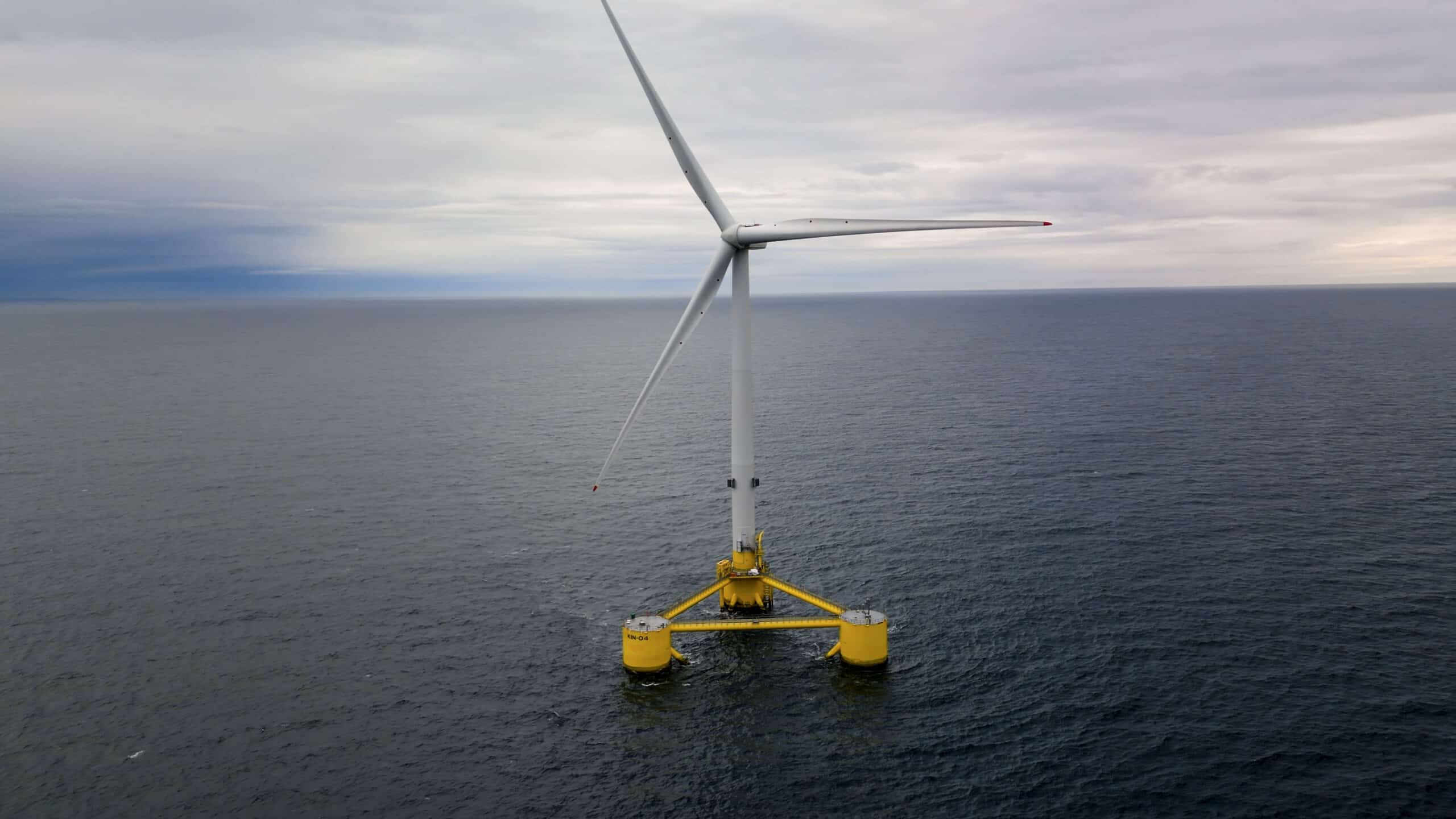
Corrosion, Motion and Safety: Choosing Gate and Hatch Hardware for Floating Wind Platforms
The offshore environment presents a dual threat: corrosion and motion.
Salt spray, humidity, and immersion exposure accelerate material degradation. When combined with mechanical movement and vibration, lower-grade hardware can fail prematurely.
Material specification is therefore critical.
Duplex and Marine-Grade Stainless Steel
High corrosion resistance is essential for floating platforms operating over a 25 to 30 year design life. Duplex and marine-grade stainless steels offer:
- Superior strength-to-weight ratio
- Enhanced resistance to pitting and crevice corrosion
- Improved fatigue performance under cyclic loading
Components that are pickled and passivated further enhance corrosion resistance, protecting surfaces from contamination and long-term degradation.
Protective Coatings and Isolation
Where mixed materials are present, protective coatings and rubber isolation plates help mitigate galvanic corrosion and vibration transfer.
Every element of the hinge, latch, and closing mechanism must be engineered with offshore exposure in mind. This includes fasteners, springs, and internal components, not only visible surfaces.
The result is safe access hardware tested for reliability in the harshest environments.
Future-Proofing Floating Wind Platforms with Long-Life Access Hardware
Floating wind projects are expanding into deeper waters and more exposed environments. Service life expectations are increasing, while pressure to reduce offshore maintenance visits continues to grow.
Every additional vessel transfer or technician mobilisation carries cost and safety implications.
Long-life access hardware supports:
- Reduced maintenance intervals
- Lower lifecycle costs
- Improved asset availability
- Safer offshore operations
Purpose-engineered hinges and self-closing systems designed for high fatigue resistance minimise unplanned interventions.
As floating wind technology evolves, access systems must evolve alongside it. Hardware that performs reliably today must also withstand harsher, deeper-water environments tomorrow.
At Gatemaster Offshore, we are continually developing bespoke, custom-engineered products to meet these changing demands. Tell us what you are designing, and we will work with you to deliver a solution that supports your long-term project aspirations.
Meeting Offshore Safety Standards on Floating Wind Platforms
Safety compliance is central to offshore wind operations.
Access systems must align with:
- Offshore safety regulations
- Controlled access requirements
- Emergency egress standards
- Fall prevention protocols
Floating platforms heighten the importance of controlled access at:
- Open deck edges
- Ladder transition points
- Crew transfer areas
- Maintenance zones
Reliable, self-closing gates help ensure that deck perimeters remain secured, even in dynamic sea states. Emergency egress hardware must function without hesitation, regardless of environmental stress.
Ultimately, safe access design is about people, preventing falls and protecting technicians working at height. Ensuring that every transfer zone is secure before and after use.
Safety and success in offshore are our priority.
Engineering for the Future of Floating Offshore Wind
Floating wind platforms represent the next chapter of offshore energy. Their success depends not only on turbines and mooring systems, but on the integrity of every safety-critical component installed on deck.
Gate and hatch hardware may appear small in scale, but in offshore engineering, details define outcomes.
Renowned as specialists in safe access hardware, Gatemaster Offshore delivers reliable solutions
engineered specifically for demanding marine environments. From heavy-duty hinges to self-closing and anti-slam gate systems, every product is developed to perform under motion, corrosion, and fatigue.
If you are planning for the future of floating offshore wind, speak to our team about purpose-engineered access hardware that is built to last.